Essential Tools for a Successful Painting Project
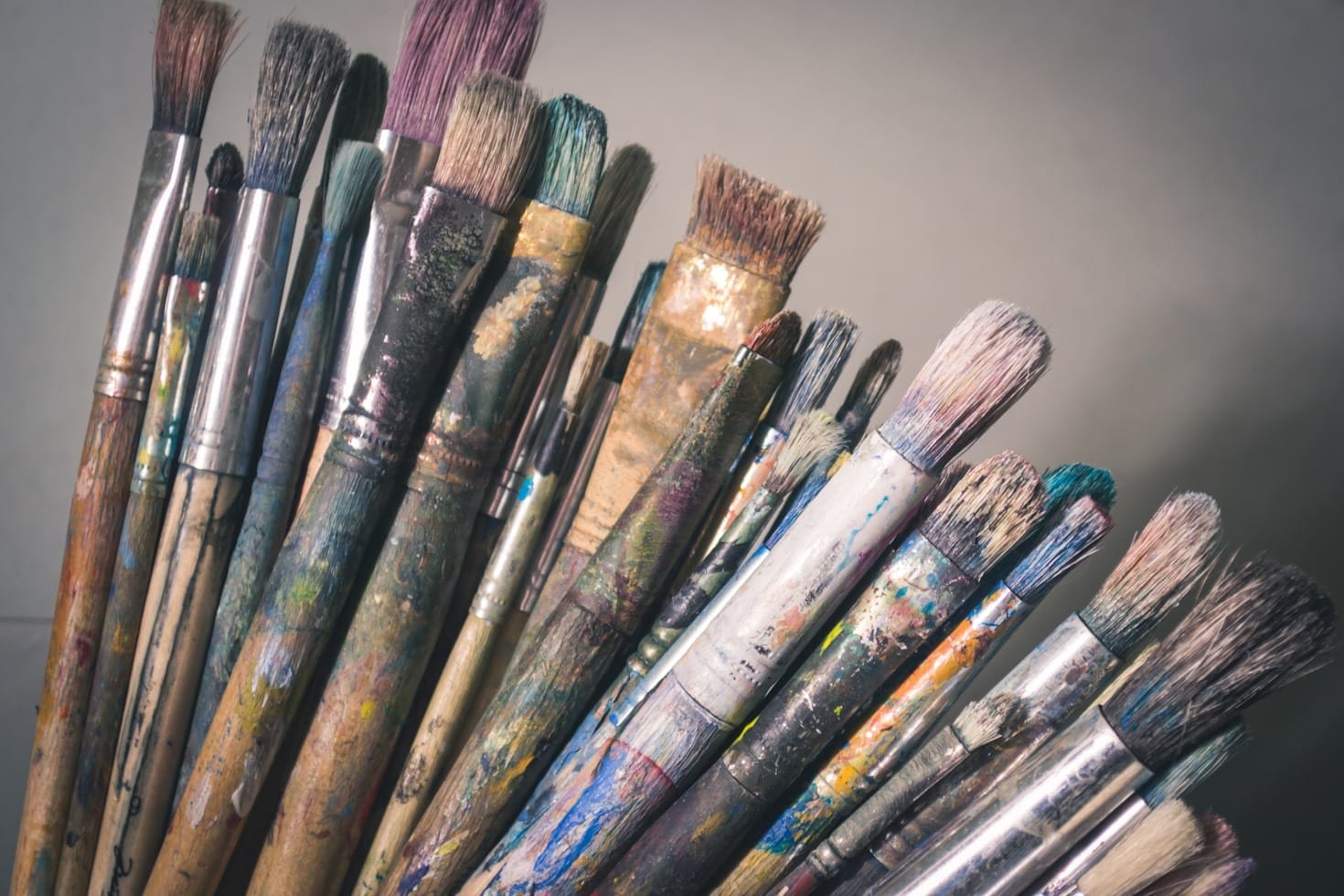
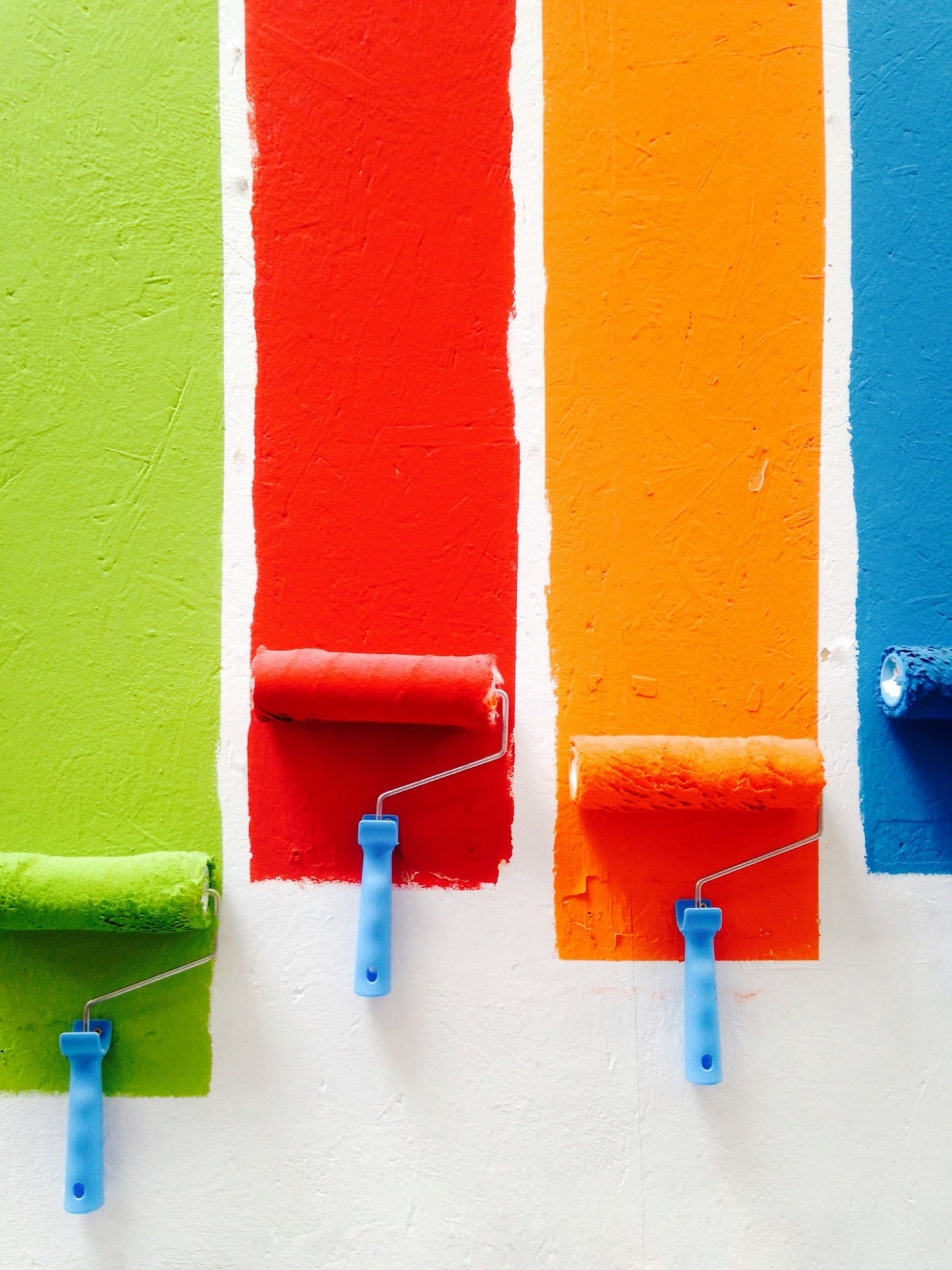
Having the right tools is crucial for achieving a professional-looking paint job. Essential tools include brushes, rollers, painter's tape, and drop cloths, each serving a specific purpose in the painting process.
For instance, high-quality brushes are vital for cutting in along edges, while rollers are perfect for covering large areas quickly. Additionally, using painter's tape can help create clean lines, ensuring a polished finish that enhances the overall appearance of your home.
Common Painting Mistakes to Avoid
Even experienced DIYers can make mistakes when painting. Common pitfalls include inadequate surface preparation, poor paint selection, and rushing through the application process, all of which can lead to subpar results.
For example, failing to clean and prime surfaces can result in poor paint adhesion, causing the paint to peel or chip over time. By being aware of these mistakes and taking the time to prepare properly, homeowners can ensure a longer-lasting and more visually appealing finish.
How Weather Affects Your Painting Project
Weather conditions play a significant role in the success of any painting project. Factors such as temperature, humidity, and wind can impact how paint adheres and dries, making it essential to choose the right time for your project.
For instance, painting during high humidity can lead to extended drying times and potential mildew growth, while very hot conditions can cause paint to dry too quickly, resulting in an uneven finish. Understanding these factors can help homeowners plan their projects more effectively.
Understanding Different Types of Paint Finishes
Choosing the right paint finish is essential for achieving the desired look and durability of your paint job. Common finishes include matte, eggshell, satin, semi-gloss, and gloss, each offering unique characteristics and benefits.
For example, matte finishes are great for hiding imperfections on walls, while semi-gloss finishes are ideal for high-traffic areas due to their durability and ease of cleaning. Knowing the differences between these finishes can help homeowners make informed decisions that enhance both aesthetics and functionality.
Essential Tools for a Successful Painting Project
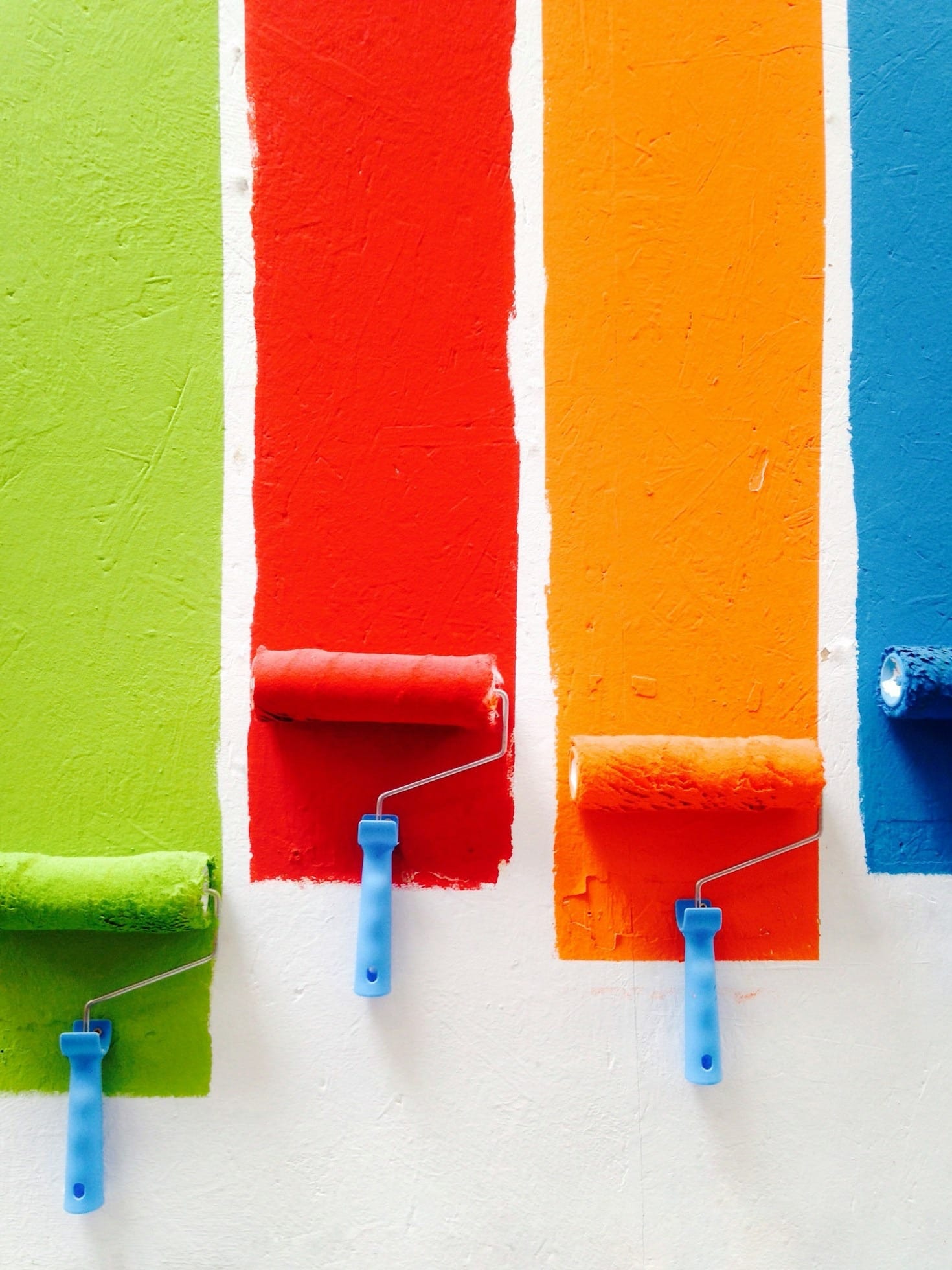
Having the right tools is crucial for achieving a professional-looking paint job. Essential tools include brushes, rollers, painter's tape, and drop cloths, each serving a specific purpose in the painting process.
For instance, high-quality brushes are vital for cutting in along edges, while rollers are perfect for covering large areas quickly. Additionally, using painter's tape can help create clean lines, ensuring a polished finish that enhances the overall appearance of your home.
Common Painting Mistakes to Avoid
Even experienced DIYers can make mistakes when painting. Common pitfalls include inadequate surface preparation, poor paint selection, and rushing through the application process, all of which can lead to subpar results.
For example, failing to clean and prime surfaces can result in poor paint adhesion, causing the paint to peel or chip over time. By being aware of these mistakes and taking the time to prepare properly, homeowners can ensure a longer-lasting and more visually appealing finish.
How Weather Affects Your Painting Project
Weather conditions play a significant role in the success of any painting project. Factors such as temperature, humidity, and wind can impact how paint adheres and dries, making it essential to choose the right time for your project.
For instance, painting during high humidity can lead to extended drying times and potential mildew growth, while very hot conditions can cause paint to dry too quickly, resulting in an uneven finish. Understanding these factors can help homeowners plan their projects more effectively.
Understanding Different Types of Paint Finishes
Choosing the right paint finish is essential for achieving the desired look and durability of your paint job. Common finishes include matte, eggshell, satin, semi-gloss, and gloss, each offering unique characteristics and benefits.
For example, matte finishes are great for hiding imperfections on walls, while semi-gloss finishes are ideal for high-traffic areas due to their durability and ease of cleaning. Knowing the differences between these finishes can help homeowners make informed decisions that enhance both aesthetics and functionality.