Understanding Color Psychology in Home Design
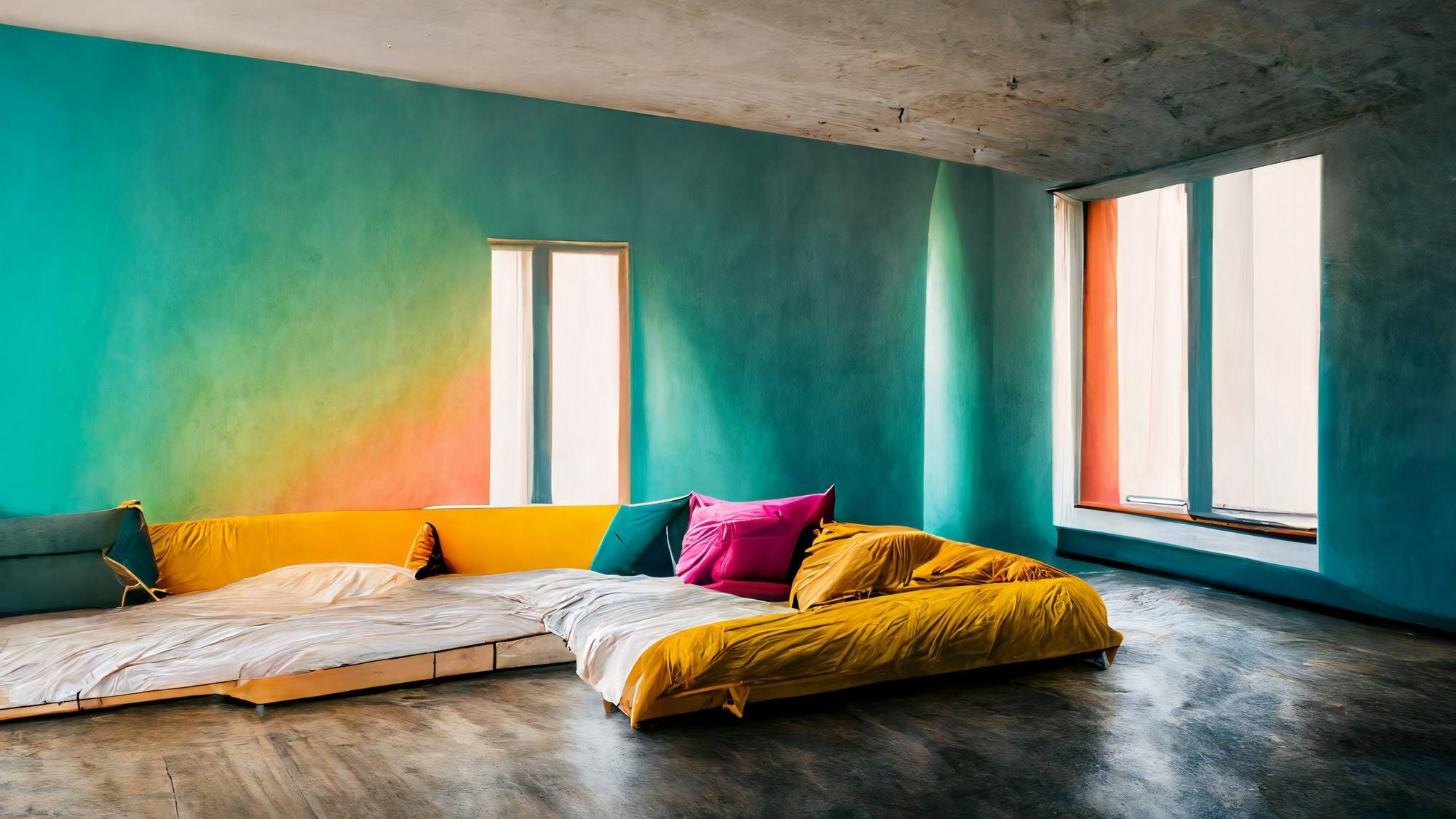
Color psychology plays a crucial role in how we perceive and feel within our living spaces. Different colors can evoke various emotions and moods, influencing our overall experience in a home. For instance, blues and greens are often associated with calmness and relaxation, while yellows can bring energy and cheerfulness to a room.
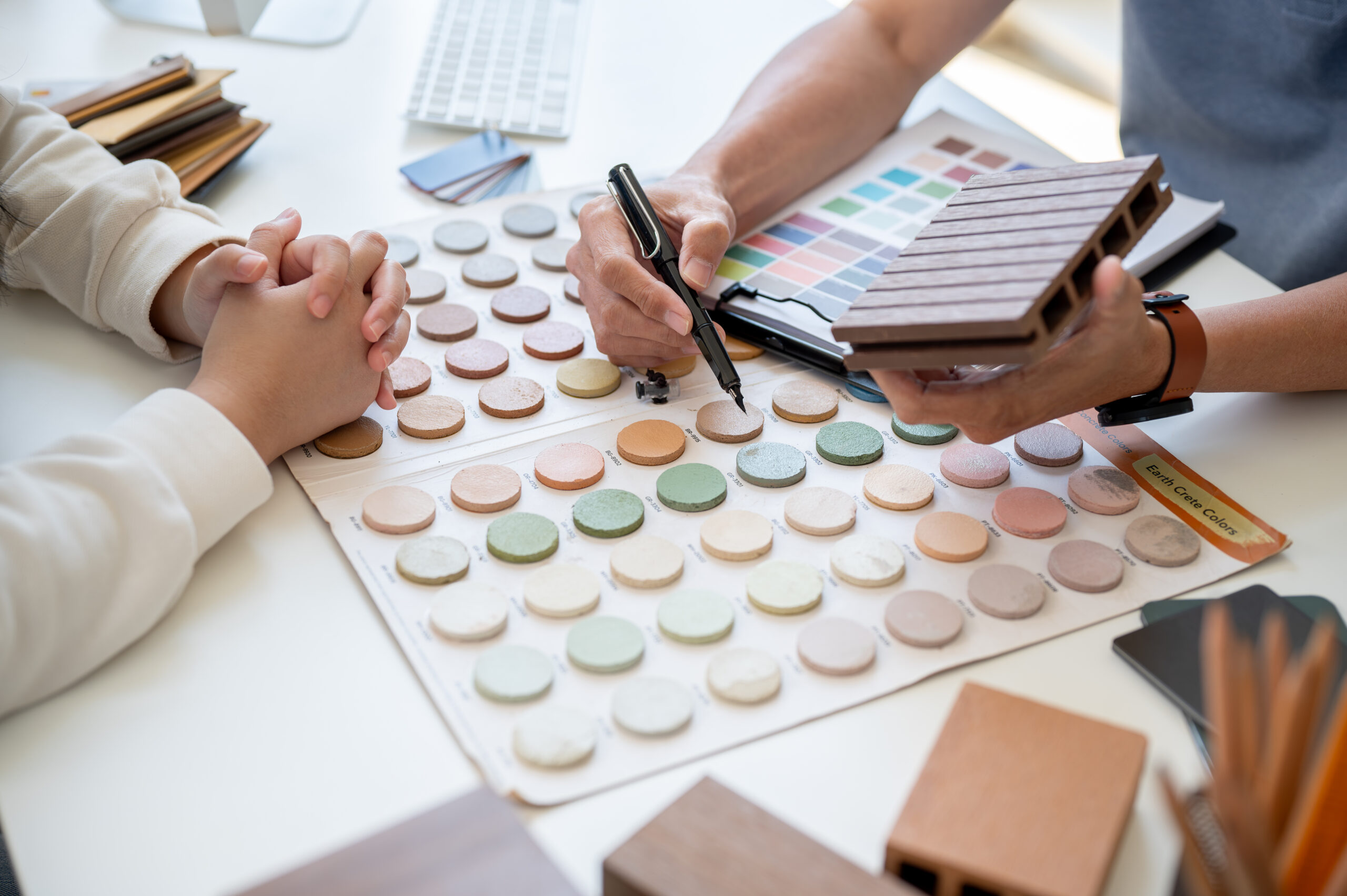
When selecting paint colors, it's essential to consider the intended mood for each space. For example, a serene bedroom might benefit from soft, muted tones, while a vibrant kitchen could incorporate more lively shades. By understanding the psychological effects of color, homeowners can create environments that reflect their desired atmosphere and enhance their well-being.
Tips for Choosing the Right Paint Finish
The finish of paint can significantly impact the look and durability of a painted surface. Different finishes, such as matte, eggshell, satin, and gloss, serve various purposes and aesthetics. For example, a satin finish is often recommended for kitchens and bathrooms due to its washability and resistance to moisture.
It's important to consider the function of each room when selecting a paint finish. High-traffic areas may require more durable finishes, while living spaces might benefit from softer, more decorative options. Understanding the characteristics of each finish can help homeowners make informed decisions that enhance both the beauty and functionality of their spaces.
Common Mistakes to Avoid When Selecting Paint Colors
Choosing paint colors can be daunting, and many homeowners fall into common pitfalls that can lead to unsatisfactory results. One frequent mistake is selecting colors based solely on trends rather than personal preference and the specific characteristics of the space. This can result in a home that feels disjointed and lacks cohesion.
Additionally, failing to test paint samples in the actual room can lead to disappointment. Lighting conditions can dramatically alter how a color appears, so it's advisable to paint swatches on the wall and observe them at different times of the day. By avoiding these mistakes, homeowners can achieve a more harmonious and satisfying color scheme.
How to Coordinate Colors Across Different Rooms
Coordinating colors across various rooms is essential for creating a cohesive flow throughout the home. While it's tempting to use different colors in every space, a unified palette can enhance the overall aesthetic and provide a sense of continuity. Homeowners can achieve this by selecting a few core colors and using different shades or tints to create visual interest.
For example, a neutral base can be complemented with bolder accent colors in different rooms. This approach allows for individuality in each space while maintaining a consistent theme. Additionally, considering the transition areas, such as hallways or open-concept spaces, can further enhance the seamless connection between rooms.
Understanding Color Psychology in Home Design
Color psychology plays a crucial role in how we perceive and feel within our living spaces. Different colors can evoke various emotions and moods, influencing our overall experience in a home. For instance, blues and greens are often associated with calmness and relaxation, while yellows can bring energy and cheerfulness to a room.
When selecting paint colors, it's essential to consider the intended mood for each space. For example, a serene bedroom might benefit from soft, muted tones, while a vibrant kitchen could incorporate more lively shades. By understanding the psychological effects of color, homeowners can create environments that reflect their desired atmosphere and enhance their well-being.
Tips for Choosing the Right Paint Finish
The finish of paint can significantly impact the look and durability of a painted surface. Different finishes, such as matte, eggshell, satin, and gloss, serve various purposes and aesthetics. For example, a satin finish is often recommended for kitchens and bathrooms due to its washability and resistance to moisture.
It's important to consider the function of each room when selecting a paint finish. High-traffic areas may require more durable finishes, while living spaces might benefit from softer, more decorative options. Understanding the characteristics of each finish can help homeowners make informed decisions that enhance both the beauty and functionality of their spaces.
Common Mistakes to Avoid When Selecting Paint Colors
Choosing paint colors can be daunting, and many homeowners fall into common pitfalls that can lead to unsatisfactory results. One frequent mistake is selecting colors based solely on trends rather than personal preference and the specific characteristics of the space. This can result in a home that feels disjointed and lacks cohesion.
Additionally, failing to test paint samples in the actual room can lead to disappointment. Lighting conditions can dramatically alter how a color appears, so it's advisable to paint swatches on the wall and observe them at different times of the day. By avoiding these mistakes, homeowners can achieve a more harmonious and satisfying color scheme.
How to Coordinate Colors Across Different Rooms
Coordinating colors across various rooms is essential for creating a cohesive flow throughout the home. While it's tempting to use different colors in every space, a unified palette can enhance the overall aesthetic and provide a sense of continuity. Homeowners can achieve this by selecting a few core colors and using different shades or tints to create visual interest.
For example, a neutral base can be complemented with bolder accent colors in different rooms. This approach allows for individuality in each space while maintaining a consistent theme. Additionally, considering the transition areas, such as hallways or open-concept spaces, can further enhance the seamless connection between rooms.