Essential Painting Tools Every Homeowner Should Have
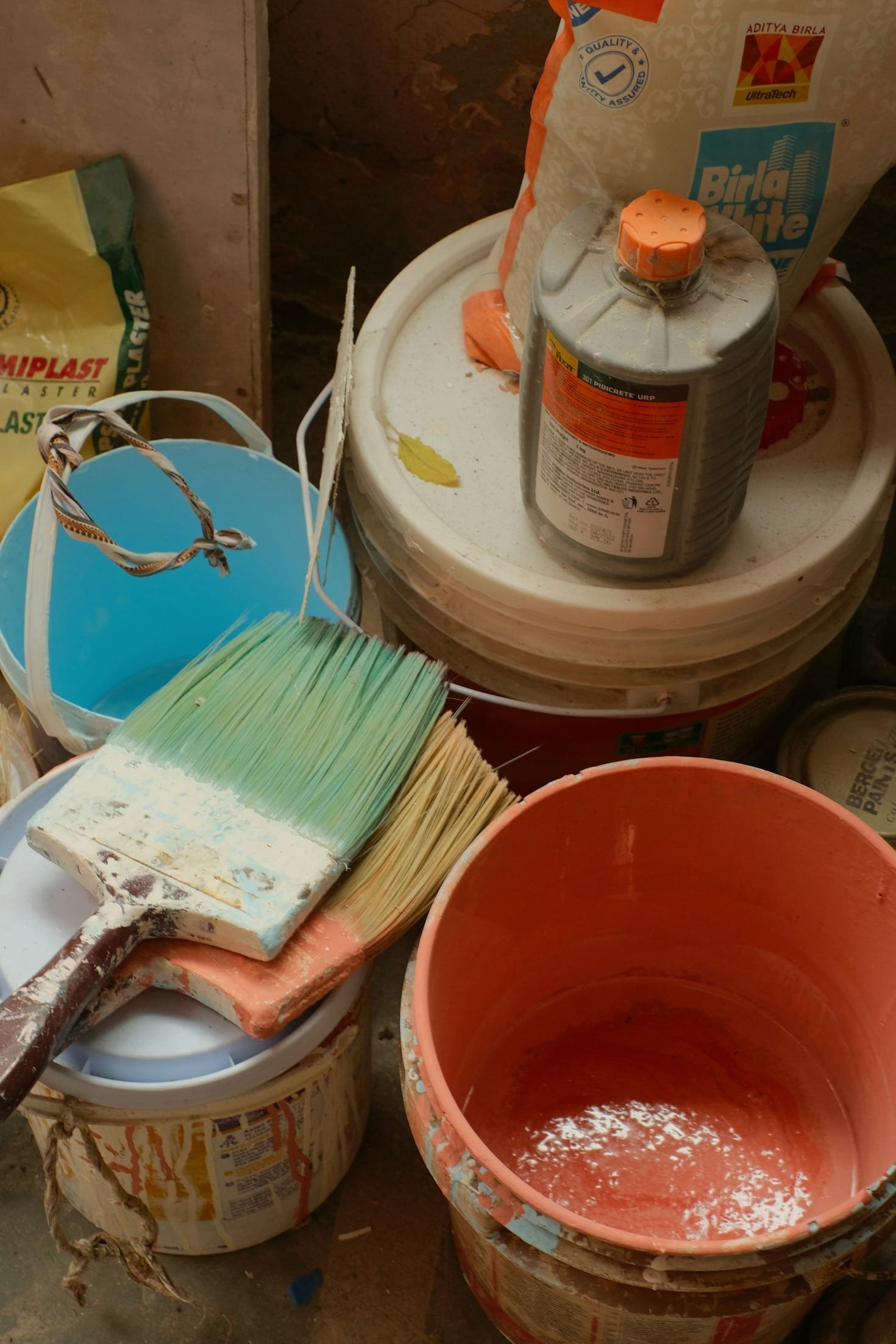
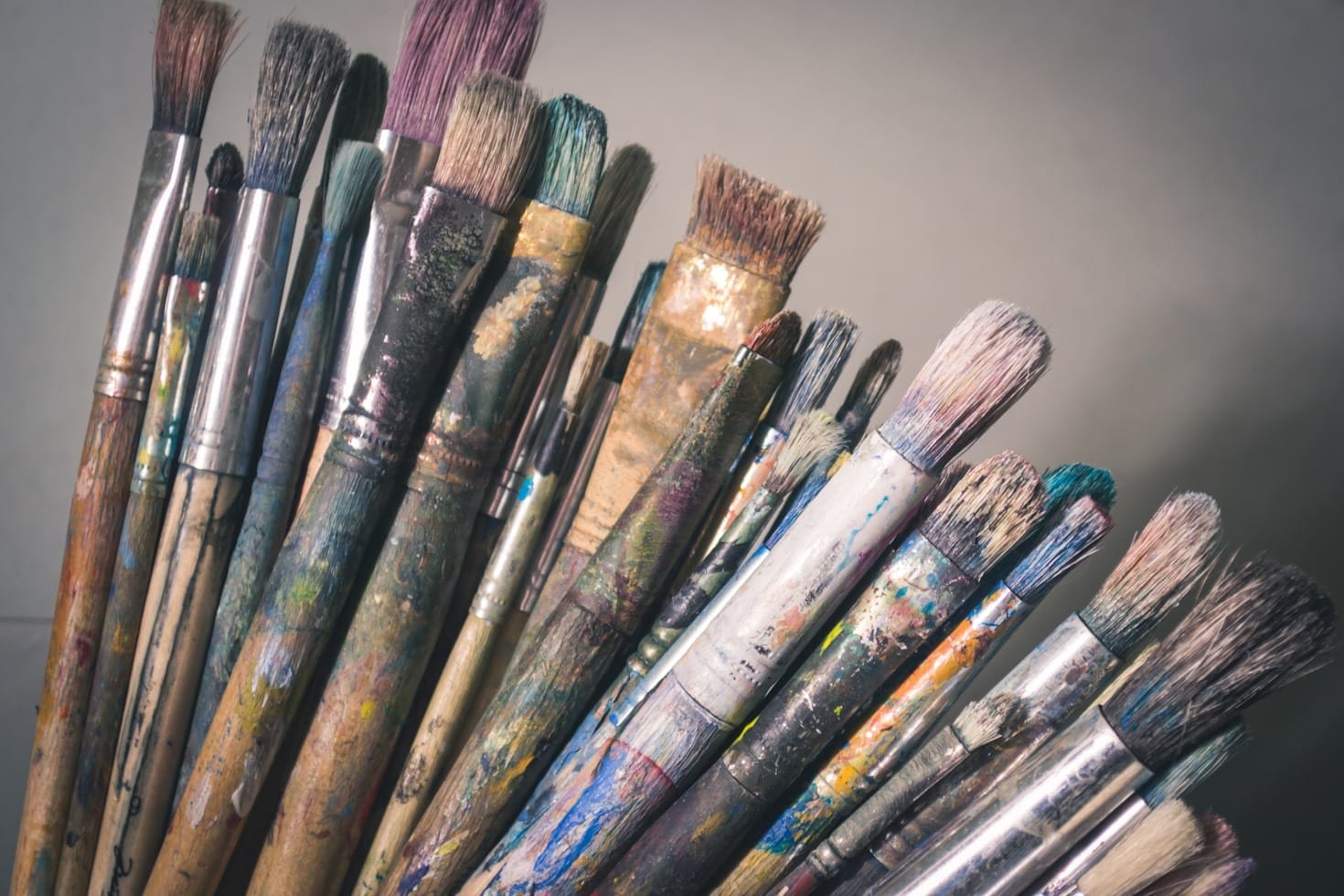
When embarking on a painting project, having the right tools can significantly impact the quality of the finish. Essential tools include high-quality brushes, rollers, painter's tape, drop cloths, and paint trays. Each of these tools plays a crucial role in ensuring that the paint is applied evenly and cleanly, leading to a professional-looking result.
For instance, using a good-quality brush can help achieve smooth edges and intricate details, while rollers are ideal for covering larger surfaces quickly. Additionally, painter's tape is invaluable for protecting areas you don't want to paint, ensuring clean lines. Investing in these tools not only saves time but also enhances the overall painting experience.
Understanding Different Types of Paint Finishes
Choosing the right paint finish is essential for achieving the desired look and functionality in any room. Paint finishes range from flat and matte to glossy and satin, each offering unique benefits and aesthetic qualities. Understanding these differences can help homeowners make informed decisions that align with their design goals.
For example, flat finishes are great for hiding imperfections on walls, while satin finishes are more durable and easier to clean, making them suitable for high-traffic areas. Glossy finishes, on the other hand, can add a striking visual effect but may highlight surface flaws. By selecting the appropriate finish, homeowners can enhance both the beauty and longevity of their painted surfaces.
Tips for Selecting the Right Paint Color
Choosing the right paint color can transform a space, but it can also be overwhelming given the vast array of options available. To simplify the process, homeowners should consider factors such as room size, lighting, and existing decor. These elements can influence how a color appears in a space and its overall impact on the ambiance.
For instance, lighter colors can make a small room feel more spacious, while darker shades can create a cozy, intimate atmosphere. Additionally, testing paint samples on the walls before making a final decision can help visualize how the color interacts with natural and artificial light throughout the day. This thoughtful approach to color selection can lead to a satisfying and cohesive interior design.
Common Painting Techniques for Beginners
For those new to painting, mastering a few basic techniques can make a significant difference in the final outcome. Techniques such as cutting in, rolling, and stippling are foundational skills that every beginner should learn. Each technique serves a specific purpose and can help achieve a polished look.
Cutting in involves painting the edges of walls and corners before using a roller, which helps create clean lines and prevents overlap. Rolling is the most common method for covering large areas efficiently, while stippling can add texture and depth to surfaces. By practicing these techniques, beginners can boost their confidence and improve their painting results.
Essential Painting Tools Every Homeowner Should Have
When embarking on a painting project, having the right tools can significantly impact the quality of the finish. Essential tools include high-quality brushes, rollers, painter's tape, drop cloths, and paint trays. Each of these tools plays a crucial role in ensuring that the paint is applied evenly and cleanly, leading to a professional-looking result.
For instance, using a good-quality brush can help achieve smooth edges and intricate details, while rollers are ideal for covering larger surfaces quickly. Additionally, painter's tape is invaluable for protecting areas you don't want to paint, ensuring clean lines. Investing in these tools not only saves time but also enhances the overall painting experience.
Understanding Different Types of Paint Finishes
Choosing the right paint finish is essential for achieving the desired look and functionality in any room. Paint finishes range from flat and matte to glossy and satin, each offering unique benefits and aesthetic qualities. Understanding these differences can help homeowners make informed decisions that align with their design goals.
For example, flat finishes are great for hiding imperfections on walls, while satin finishes are more durable and easier to clean, making them suitable for high-traffic areas. Glossy finishes, on the other hand, can add a striking visual effect but may highlight surface flaws. By selecting the appropriate finish, homeowners can enhance both the beauty and longevity of their painted surfaces.
Tips for Selecting the Right Paint Color
Choosing the right paint color can transform a space, but it can also be overwhelming given the vast array of options available. To simplify the process, homeowners should consider factors such as room size, lighting, and existing decor. These elements can influence how a color appears in a space and its overall impact on the ambiance.
For instance, lighter colors can make a small room feel more spacious, while darker shades can create a cozy, intimate atmosphere. Additionally, testing paint samples on the walls before making a final decision can help visualize how the color interacts with natural and artificial light throughout the day. This thoughtful approach to color selection can lead to a satisfying and cohesive interior design.
Common Painting Techniques for Beginners
For those new to painting, mastering a few basic techniques can make a significant difference in the final outcome. Techniques such as cutting in, rolling, and stippling are foundational skills that every beginner should learn. Each technique serves a specific purpose and can help achieve a polished look.
Cutting in involves painting the edges of walls and corners before using a roller, which helps create clean lines and prevents overlap. Rolling is the most common method for covering large areas efficiently, while stippling can add texture and depth to surfaces. By practicing these techniques, beginners can boost their confidence and improve their painting results.