Understanding Color Psychology in Home Painting
Color psychology plays a significant role in how we perceive our living spaces. Different colors can evoke various emotions and set the mood of a room, making it essential to understand their impact when choosing paint for your home.
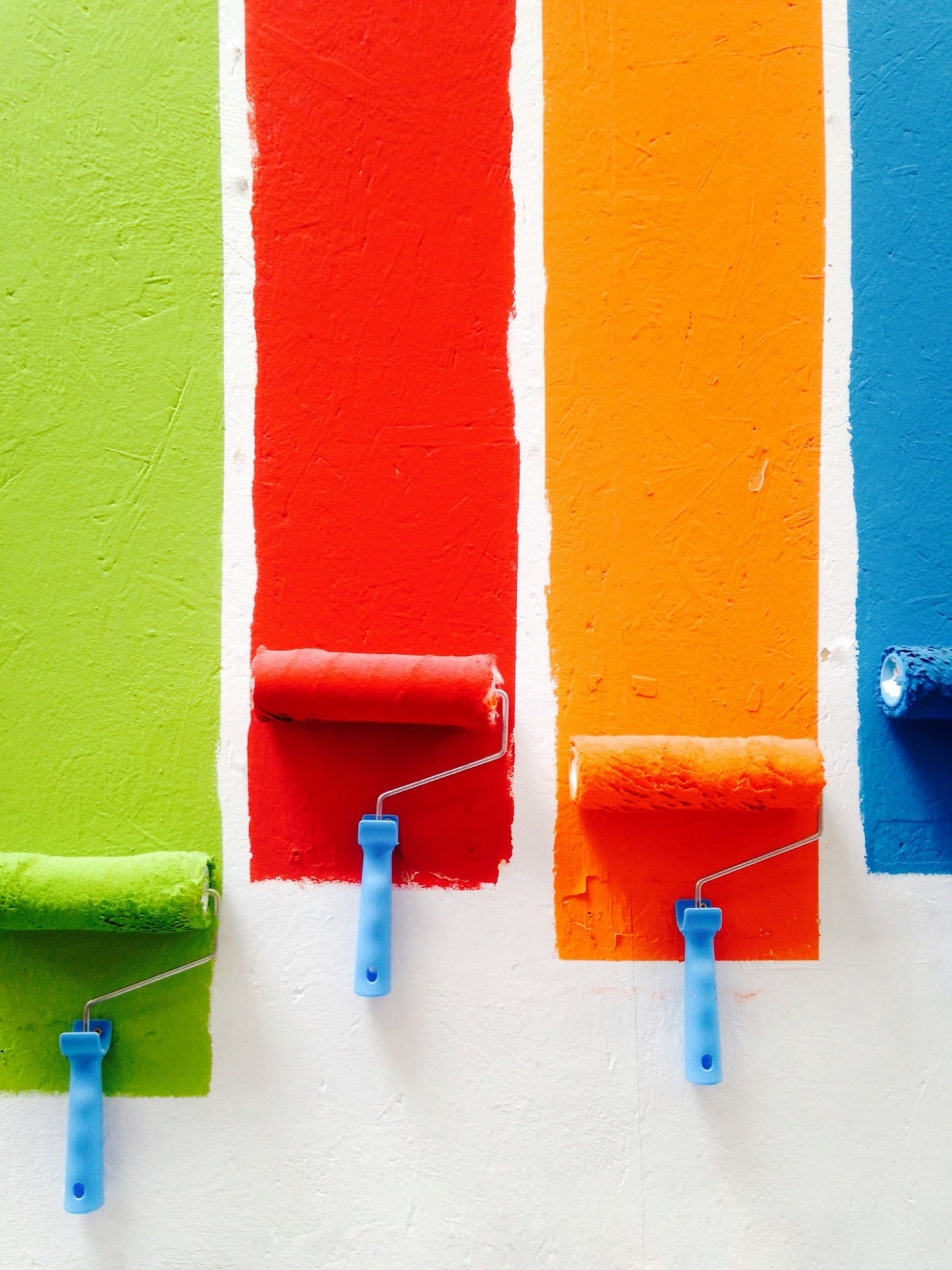
For instance, warm colors like reds and yellows can create a cozy atmosphere, while cool colors such as blues and greens promote calmness and relaxation. By considering the psychological effects of color, homeowners can make more informed decisions that enhance their living environment.
Essential Tips for Preparing Your Home for Painting
Proper preparation is crucial for achieving a flawless paint job. Before diving into the painting process, it's important to ensure that surfaces are clean, dry, and free of any peeling paint or imperfections.
This includes tasks such as sanding surfaces, filling in holes, and applying primer where necessary. Taking the time to prepare your home adequately can significantly improve the durability and finish of your paint, leading to a more professional-looking result.
Choosing the Right Paint Finish for Your Project
The finish of your paint can drastically alter the appearance and functionality of your painted surfaces. Different finishes, such as matte, eggshell, satin, and gloss, each have unique characteristics that make them suitable for various applications.
For example, a satin finish is often recommended for high-traffic areas due to its durability and ease of cleaning, while a matte finish is ideal for ceilings or low-traffic spaces where a softer look is desired. Understanding these options will help you select the best finish for your specific needs.
Common Mistakes to Avoid When Painting Your Home
Even experienced DIYers can make mistakes when it comes to painting. Common pitfalls include skipping the primer, using the wrong tools, or not allowing sufficient drying time between coats.
By being aware of these common errors, homeowners can take proactive steps to avoid them, ensuring a smoother painting process and a more satisfactory end result. Learning from others' mistakes can save time, money, and frustration during your painting project.
Understanding Color Psychology in Home Painting
Color psychology plays a significant role in how we perceive our living spaces. Different colors can evoke various emotions and set the mood of a room, making it essential to understand their impact when choosing paint for your home.
For instance, warm colors like reds and yellows can create a cozy atmosphere, while cool colors such as blues and greens promote calmness and relaxation. By considering the psychological effects of color, homeowners can make more informed decisions that enhance their living environment.
Essential Tips for Preparing Your Home for Painting
Proper preparation is crucial for achieving a flawless paint job. Before diving into the painting process, it's important to ensure that surfaces are clean, dry, and free of any peeling paint or imperfections.
This includes tasks such as sanding surfaces, filling in holes, and applying primer where necessary. Taking the time to prepare your home adequately can significantly improve the durability and finish of your paint, leading to a more professional-looking result.
Choosing the Right Paint Finish for Your Project
The finish of your paint can drastically alter the appearance and functionality of your painted surfaces. Different finishes, such as matte, eggshell, satin, and gloss, each have unique characteristics that make them suitable for various applications.
For example, a satin finish is often recommended for high-traffic areas due to its durability and ease of cleaning, while a matte finish is ideal for ceilings or low-traffic spaces where a softer look is desired. Understanding these options will help you select the best finish for your specific needs.
Common Mistakes to Avoid When Painting Your Home
Even experienced DIYers can make mistakes when it comes to painting. Common pitfalls include skipping the primer, using the wrong tools, or not allowing sufficient drying time between coats.
By being aware of these common errors, homeowners can take proactive steps to avoid them, ensuring a smoother painting process and a more satisfactory end result. Learning from others' mistakes can save time, money, and frustration during your painting project.